Have you ever been told to NOT make a decision as a leader? It sounds weird, doesn’t it?
When I began my career, I thought that becoming a leader meant that you had gone through this amazing career, soaking up all the knowledge and becoming an expert on something, so that you could be the authority and make all the decisions. I thought you were put in that position of power so that people would listen to you. I thought that much of the success you would see in your business depended on you getting it right.
I have learned a LOT since then, sitting in the rooms where great leaders strive to prepare for the next level. One key thing I have learned is:
Making good decisions and getting many things done can get you promoted, to a point―but for many leaders, it is making too many decisions that actually hold them back from the most senior levels of the organization.
I’m sure you have seen leaders who, unintentionally, become bottlenecks for their organizations. The leader intends to give everyone time, support them in their work, and review the work to ensure they get seen in the best light when it is presented to leadership. What often happens behind the scenes is that good people get frustrated when their email for approval, or request for a meeting, has gone unanswered for a few days. They feel like they are stuck in this queue of decisions that can’t get made fast enough. If it happens too often, or for too long, good people may leave. It’s not because the manager isn’t good or doesn’t care, it’s maybe because they care too much, and it shows up as micromanagement.
You probably think I’m going to say, “You need to delegate more. Pick some things to give to a team member to do.” And I am.
But, I want to give you more than that. Often, making a change like this requires buy-in from the whole team―an understanding of what problem you are trying to solve, and how you suggest solving it together. To help build this buy-in, I have used an exercise that helps everyone align on what it means to make decisions appropriate for your role. You can do this in a team meeting, or at a team offsite. We did it with beautiful weather in February in a park in Florida, and created four imaginary “corners of the room” that we would stand in.
Try this exercise.
- Identify 10-20 decisions that might need to be made in the ordinary course of business within your team.
- In your meeting, identify some of the key decision-makers on your team, such as the VP, the directors, and anyone else on the team (if you can give 3-5 options for people to choose from on each decision, you can quickly see how people are thinking about these decisions).
- For each real-life decision example, read it aloud and ask people to stand in the corner representing the person they think should make the decision (everyone should participate, but as the leader, you may want to move last).
- Once everyone chooses a corner, debrief on why people chose their corner, and discuss how you would want that decision to be made.
After you complete the exercise, everyone will understand which decisions should be escalated, and which can be made by the team. For those who struggle with delegating decisions, it’s a great way to accelerate this change within the team!
As you begin thinking about your goals for next year, I encourage you to consider if your delegation could improve. This exercise is a great way to jumpstart your new goal!
About The Author
Robert Seymour: Partner & COO, Signature Leaders
 Rob is a strong business operator with a passion for advancing women in leadership. This passion stems from watching Carol’s career evolve and observing the challenges that his wife faced, and others still face, as women advancing in their careers.
Carol’s unique approach to addressing these challenges, focused on providing the highest quality development experiences, compelled Rob to join Signature Leaders.
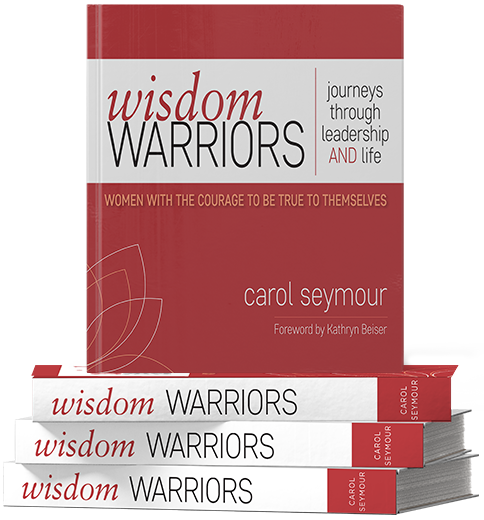
As Partner and COO of Signature Leaders, Rob drives operations, sales and marketing strategy, content development, and strategic initiatives. Rob oversees the team members at Signature Leaders responsible for program delivery and the Signature Collective, which focuses on alumni engagement. He manages about a dozen of Signature Leaders’ strategic client accounts, and he builds new offerings to meet the needs of all Signature clients. He also writes for Signature’s blog, and he edited and managed the production of Carol’s first book, Wisdom Warriors: Journeys Through Leadership and Life, which provides candid stories from over 70 accomplished business leaders, who share their hard-earned experiences to benefit the leaders rising through the ranks behind them.
In 2013, Rob began serving as the CFO for Signature Leaders while working full time as a Manager in Accenture’s Health practice. As a management consultant, Rob navigated clients through process and organizational changes during large-scale technology transformations.
Rob earned a BS in Economics from the University of Pennsylvania’s Wharton School, where he pitched for Penn’s Varsity Baseball Team for four years. He and his wife, Michelle, live in Los Angeles with their daughter (Blake) and son (Bowen). Rob enjoys coaching sports for his children’s teams, playing golf, finding ways to stay fit, and taking on new challenges in the form of home improvement projects.