“I want to apologize,” I said to my team. “I have made multiple mistakes during this transition process that have impacted each of you.”
This is not the way you want to have to start a team meeting. But here I was, a few weeks into our post-acquisition phase, and the integration process wasn’t looking like the rosy picture I had intended for it to be and painted for our team.
The new company was great. My opinion hadn’t changed about the opportunity ahead of us. If anything, I was more excited about what we were capable of doing together, partnering between Signature Leaders and TiER1 Performance to serve our clients in new ways.
What I had missed was setting the right expectations for this initial, transition phase, which had turned out to be bumpier than I’d thought. It started with an email from our previous payroll and benefits provider, stating, “Your benefits have been cancelled,” before I was able to communicate with our team that the deal had closed. It continued with confusion about payroll timing and expense policies that weren’t exactly applicable to our team.
I felt like I had begun to lose some of the hard-earned trust and credibility I’d built with our team, and I knew the best way to turn it around was to address it head-on.
For a decade, I have led a small team at Signature Leaders. As a leader, one of my priorities has been on building internal relationships, understanding what my team needed to continue to grow in their careers, and giving them opportunities that help them do that.
With the union between Signature Leaders and a much bigger company, TiER1, I realized that this personalized approach had insulated my thinking. I hadn’t exercised the communication muscles I would need for this transition.
Going through a significant change is hard, no matter how good the long-term possibilities may look. When we shared with the full team about the pending acquisition, we talked about the great cultural fit, the great strategic fit, and how we would continue operating as an independent entity, so roles and salaries wouldn’t be impacted. The team was excited, as were we.
What I didn’t recognize fully was I had built a significant amount of knowledge around this change that no one else on the team had built. Between this curse of knowledge and the level of trust I had built with the new organization, I was in a very different place on this journey than the rest of my team. I’d had more than six months of conversations that had built my understanding and preparedness for this change. I knew that we were aligned on the approach we wanted to take, and I had to trust that we would be able to work out the details to successfully merge the companies and work together.
What I didn’t consider was how many details there were going to be and how long they would take to shake out.
Here are a few leadership lessons I have learned so far through this experience:
- Communicate earlier and more frequently with my leadership team to gather different perspectives and identify risks sooner;
- Set expectations that while the long-term vision is exciting, prepare for the short-term processes to be bumpy;
- Build a communication approach that keeps the team close and engaged throughout the process.
Here’s how these looked for me.
Bring Your Team into the Conversation Early
Going through an acquisition discussion is a tricky thing. What do you share with whom, and when? I continue to learn that the sooner you bring people into the conversation, the more helpful it is. I believe this is true with any difficult decision (positive or negative). Once I brought them into the conversation, my Leadership Team did a great job of surfacing questions and potential potholes before they happened. If I was going to do it again, I would have brought them into the conversation sooner and more often to help with seeing it from all angles.
Set Realistic Expectations
One place their input did help was in communication to the team. To get the team excited, I focused on the long-term vision, the exciting things we could do together with TiER1 Performance. I wanted everyone to be as excited as I was and to see the possibilities this could bring for the company and for each of them as individuals. With my LT’s input, we answered many of the key questions the team would have ahead of the deal closing. What I missed was that no matter how great the long-term vision (and even the reality) might be, there is going to be a period of change that will inevitably be rocky. We needed to be realistic about the possible bumps in the road and to share those possibilities with the team, in addition to the exciting vision.
Overcommunicate, and Then Do It Again
The last key thing I learned was to overcommunicate, on everything, all the time. Every day from the day we closed, I was sending chats and emails and making phone calls to work through the remaining items the team needed on payroll, benefits, and more. Where I wasn’t doing a good job was in creating space to communicate this to the team. They had questions about what was happening, and I only had some answers, but some are better than none. A few weeks into the process, we started meeting at least weekly to provide updates and answer questions, and we surfaced things that still needed to be considered. Despite my knowledge of its importance, I vastly underestimated the amount of communication that was needed throughout this change.
We are on the start of a new journey, post-acquisition, and as much as we have prepared, we are learning as we go. If you’ve gone through a significant change, are about to embark on one, or are in the middle of one as you read this, I hope you’ll follow along and share your experiences so we can all become better leaders through our collective wisdom.
About The Author
Robert Seymour: Partner & COO, Signature Leaders
 Rob is a strong business operator with a passion for advancing women in leadership. This passion stems from watching Carol’s career evolve and observing the challenges that his wife faced, and others still face, as women advancing in their careers.
Carol’s unique approach to addressing these challenges, focused on providing the highest quality development experiences, compelled Rob to join Signature Leaders.
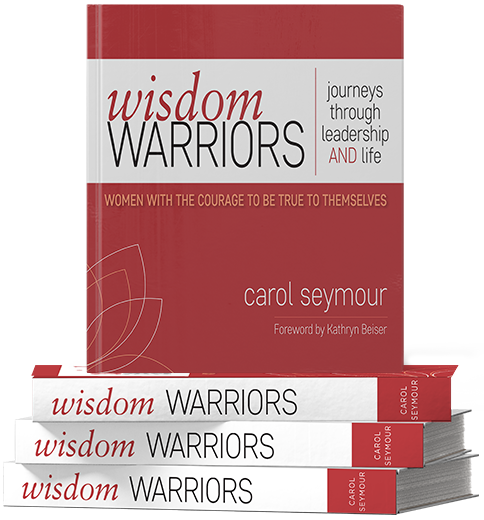
As Partner and COO of Signature Leaders, Rob drives operations, sales and marketing strategy, content development, and strategic initiatives. Rob oversees the team members at Signature Leaders responsible for program delivery and the Signature Collective, which focuses on alumni engagement. He manages about a dozen of Signature Leaders’ strategic client accounts, and he builds new offerings to meet the needs of all Signature clients. He also writes for Signature’s blog, and he edited and managed the production of Carol’s first book, Wisdom Warriors: Journeys Through Leadership and Life, which provides candid stories from over 70 accomplished business leaders, who share their hard-earned experiences to benefit the leaders rising through the ranks behind them.
In 2013, Rob began serving as the CFO for Signature Leaders while working full time as a Manager in Accenture’s Health practice. As a management consultant, Rob navigated clients through process and organizational changes during large-scale technology transformations.
Rob earned a BS in Economics from the University of Pennsylvania’s Wharton School, where he pitched for Penn’s Varsity Baseball Team for four years. He and his wife, Michelle, live in Los Angeles with their daughter (Blake) and son (Bowen). Rob enjoys coaching sports for his children’s teams, playing golf, finding ways to stay fit, and taking on new challenges in the form of home improvement projects.