My daughter recently joined a competitive soccer team. She was one of the newer players, and I enjoyed watching her develop under the guidance of her coaches. She was still learning the game, so she didn’t always recognize when she made a mistake, or what she needed to differently to correct it. Her coaches had been giving her direct instruction to help her learn something new.
On the other hand, one of her teammates was a particularly talented player. She understood the game, recognized her mistakes, and often knew how to correct them herself. Yet when something went wrong, her coaches frequently revisited the mistake, explaining what happened and what she should have done differently.
Their intentions were good, but the same type of feedback that would help my daughter didn’t always help her. Rather than building her confidence, it often left her feeling frustrated. Eventually, she left the team.
Two players. The same coaches. Very different developmental needs.
It made me wonder how often we do the same thing as leaders: approach development through the lens of how we prefer to coach, rather than what the individual actually needs.
Different Players Need Different Coaches
Most leaders want to help their people improve. We provide feedback, share our experiences, offer advice, and push people to do better.
HOW we coach someone is just as important, if not more so, than what we tell them. We might provide detailed feedback to someone who already understands their mistake, unintentionally undermining their confidence. We might give someone complete autonomy when they’re desperately looking for guidance. Or we might encourage someone to keep doing what they’re doing, when what they really need is a challenge to push beyond their comfort zone.
The question isn’t whether we’re providing enough coaching―it’s whether we’re providing the right kind of coaching, for that person, in that moment.
Developing people requires us to challenge ourselves to understand the individual and coach them according to their needs. What strengths do they naturally bring? Where do they have, or lack, confidence? What experiences have shaped how they learn? And what might be getting in the way of their potential?
The more we understand the person, the more intentional we can be about helping them grow.
Four Ways to Help Someone Grow
There are four approaches I like to keep in mind when thinking about developing people. Each serves a different purpose, and the same person may benefit from different approaches, depending on the situation, their experience, and where they are in their development.
- Instruct: When someone needs knowledge or skills.
Sometimes people simply don’t know what to do or how to do it. They need explanation, demonstration, and specific feedback. This is where my daughter is today. She benefits from coaches who explain positioning, decision-making, and technique. At work, a newly promoted director who is learning to manage a budget for the first time may need specific guidance, even if they’re highly experienced in their function.
- Guide: When someone needs help finding their own answer.
Other times, people have the knowledge and capabilities, but need help thinking through a challenge. A capable leader navigating competing priorities across departments may benefit more from thoughtful questions than from being given the answer. Rather than telling them what to do, we can ask questions that encourage reflection. What happened? What options did you consider? What might you do differently?
The goal is to strengthen their judgment, not simply provide the answer.
- Challenge: When someone is ready for more.
Some people have the skills and confidence to succeed at their current level, but need to be pushed beyond it. A high-performing, functional leader who consistently delivers results may be ready for an enterprise-wide assignment that stretches their strategic perspective―they could benefit from stretch assignments, higher expectations, and opportunities to tackle unfamiliar problems. Growth comes from expanding what someone believes they’re capable of doing.
- Empower: When someone needs ownership and space.
Sometimes the most effective coaching is knowing when not to coach. A manager who recognizes where a decision fell short may need space to recalibrate rather than another conversation about what went wrong. Additional instruction can feel like unnecessary criticism when someone already understands the mistake and knows how to improve. This doesn’t mean eliminating accountability. It means trusting someone to take responsibility for their own success.
Adaptability Is the Real Leadership Skill
Most of us have a natural coaching style. Some leaders are quick to offer advice; others prefer asking questions, challenging people to stretch, or giving them the freedom to figure things out. Often, the approach we default to is rooted in our own strengths and experiences. If we learned best by being challenged, we may assume others will too. If autonomy helped us thrive, we may be quick to give others space. But what helped us grow isn’t necessarily what someone else needs; recognizing that difference begins with understanding ourselves just as much as understanding the people we lead.
None of these approaches is inherently better than the others. Any of them can be exceptionally helpful or become ineffective when applied to the wrong person or situation.
The best leaders aren’t necessarily those who have mastered one style―they’re the ones who recognize how to adapt their behavior to the needs of others.
As you think about the people you lead, consider a few questions:
- Who needs more instruction, and who needs more independence?
- Are you helping people find their own answers, or are you too quick to provide yours?
- Who is ready for a bigger challenge?
- When someone makes a mistake, do you consider what they already understand before responding?
- Are you coaching people the way they need to be coached, or the way you prefer to coach?
Watching my daughter’s soccer team has reminded me that even with the best intentions, our approach can sometimes get in the way of the development we’re trying to create. We don’t need a different leadership philosophy for every person we lead, but we do need the awareness and flexibility to recognize that what helps one person improve may hold another back.
The best leaders don’t just know how to coach. They know when to change their approach.
About The Author
Robert Seymour: Partner & COO, Signature Leaders
 Rob is a strong business operator with a passion for advancing women in leadership. This passion stems from watching Carol’s career evolve and observing the challenges that his wife faced, and others still face, as women advancing in their careers.
Carol’s unique approach to addressing these challenges, focused on providing the highest quality development experiences, compelled Rob to join Signature Leaders.
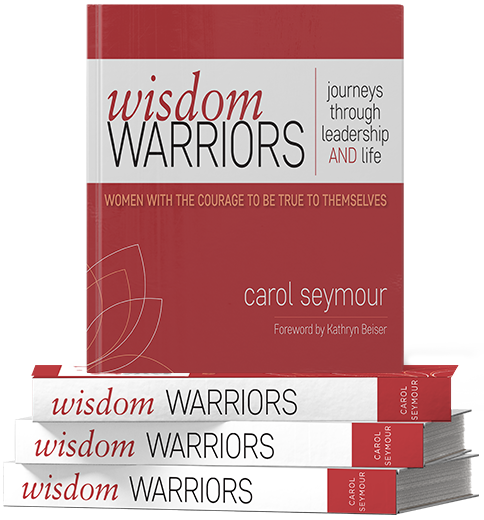
As Partner and COO of Signature Leaders, Rob drives operations, sales and marketing strategy, content development, and strategic initiatives. Rob oversees the team members at Signature Leaders responsible for program delivery and the Signature Collective, which focuses on alumni engagement. He manages about a dozen of Signature Leaders’ strategic client accounts, and he builds new offerings to meet the needs of all Signature clients. He also writes for Signature’s blog, and he edited and managed the production of Carol’s first book, Wisdom Warriors: Journeys Through Leadership and Life, which provides candid stories from over 70 accomplished business leaders, who share their hard-earned experiences to benefit the leaders rising through the ranks behind them.
In 2013, Rob began serving as the CFO for Signature Leaders while working full time as a Manager in Accenture’s Health practice. As a management consultant, Rob navigated clients through process and organizational changes during large-scale technology transformations.
Rob earned a BS in Economics from the University of Pennsylvania’s Wharton School, where he pitched for Penn’s Varsity Baseball Team for four years. He and his wife, Michelle, live in Los Angeles with their daughter (Blake) and son (Bowen). Rob enjoys coaching sports for his children’s teams, playing golf, finding ways to stay fit, and taking on new challenges in the form of home improvement projects.